
Media
LOGICA
Navigating the Digital Landscape with Knowledge
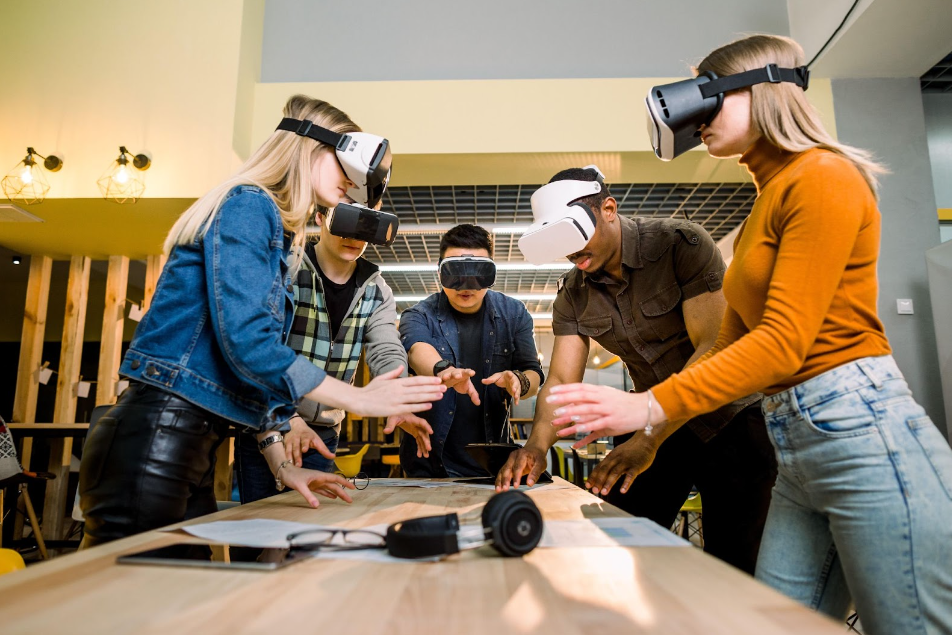
Media Logica is focussed on increasing media literacy among high-school students in the Netherlands. In an era where the media landscape is continually evolving, and (social) media assumes a growing prominence in various aspects of life, it is important for young individuals to critically assess the dominant role of media and comprehend the potential (both positive and negative) effects of media usage.
We provide classes covering diverse societal communication-related topics, developed within our department. These classes are given by enthusiastic and trained communication science students and appropriate for levels 4vwo, 5vwo, and 6vwo. The goals of Media Logica are to share knowledge, raise awareness, provide a glimpse into the academic world, and, above all, make it an enjoyable and educational hour! The Media Logica classes are free of charge.
The Media Logica classes are free of charge. School visits and more information can be requested without obligation at:
cw.project.management@vu.nl
POTENTIAL
CLASSES
Media and Polarization
Media can have a polarizing effect on societies, and this is also true in the Netherlands. How do online discussions, social media, and (fake) news contribute to polarization? And how can we counteract this?
The Impact of Fake News
Fake news is misinformation disguised as seemingly legitimate news, spread through websites, social media, and traditional media. The rising awareness of fake news and its problematic consequences are extensively discussed. What is fake news? How do fake news stories influence thoughts and behavior? And how can you recognize it?.
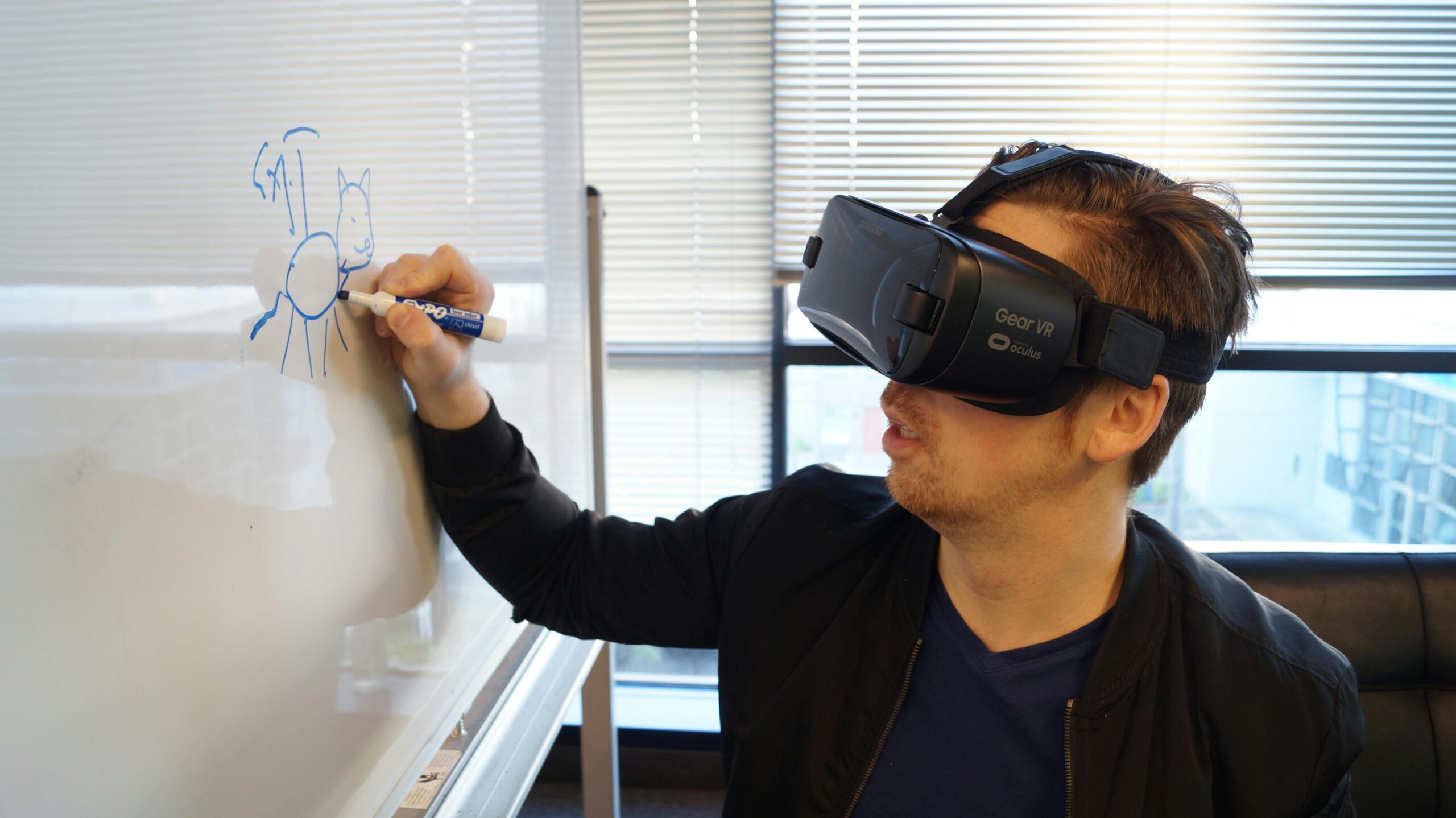
Virtual Reality and Immersive Technology
What is immersive technology, and where do we need it? How is immersive technology already a part of Dutch society? This class provides a critical reflection on modern/new technology, its benefits, and potential risks.
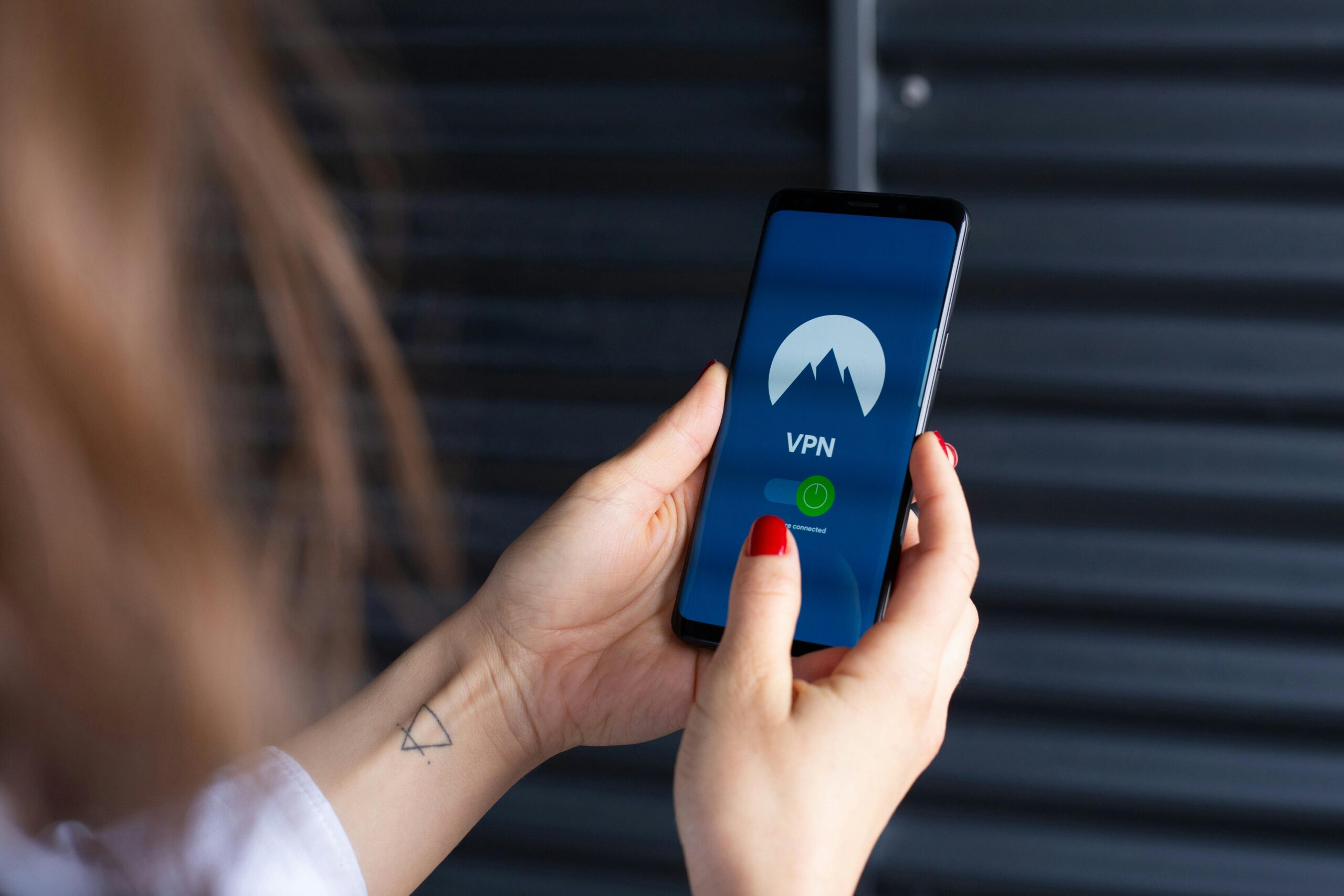
Privacy and Data Protection on the Internet
More and more is shared on the internet, both consciously (by posting on social media) and unconsciously (by using modern technology). This class helps students develop a critical perspective on the (personal) information/data that goes online and provides tools for navigating online spaces safely.
This class is presently in the developmental stage. If you would like to be part of the creation process as one of our pilot schools and provide feedback on the class, please let us know.
FAQ
Frequently asked questions
How much do the Media Logica classes cost?
The Media Logica classes are completely free of charge for highschools.
All costs of Media Logica are covered by the communication science department of the VU.
How do I request a class?
You can request a class by sending an email to cw.project.management@vu.nl.
School visits and additional information can be asked for without any obligation. When reaching out, please provide the name of your school and its location. And, if applicable or already known: the topic you are interested in; the number of classes and their level; and the period during which you would like to receive the classes.
Which schools can request these classes?
Any school in the surrounding areas of the province of North Holland. Exceptions are possible if choosing Vrije Universiteit Amsterdam makes sense for your high school, and the travel time from the VU to the destination falls within the limits set for our students who give the classes.
Can I also request other topics for the lessons?
You are welcome to send us suggestions via cw.project.management@vu.nl
What happens after I request a class?
After we receive your email, we will:
- Schedule a brief online meeting to answer your questions and discuss the class content you’re interested in. If you prefer, we can handle this communication through email.
- Set a date (or dates) together that suits everyone.
- Connect you with the students who will be giving the class(es) and confirm all the agreed-upon details.
Can I also request a lesson in Dutch?
Yes, the lessons can be taught in both Dutch and English.